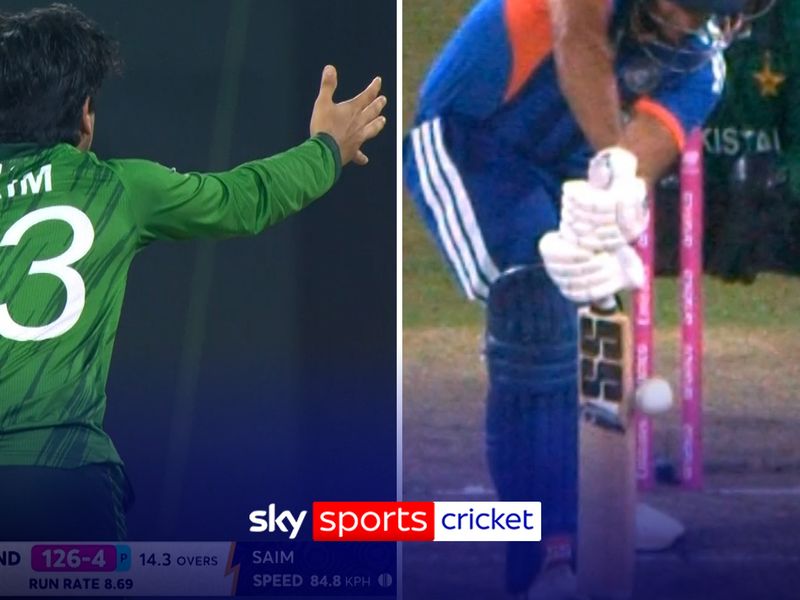
Pakistan's decision to boycott its Twenty20 World Cup match against India has drawn widespread support from fans and administrators who view the move as a necessary stand against political tensions. The decision comes amidst escalating diplomatic strains between the two neighboring countries, with both sides exchanging sharp rhetoric. While many in Pakistan see the boycott as a bold statement of national pride, others worry about the implications for the sport's spirit and the message it sends to the global cricket community.
The boycott has undeniably split the cricket fanbase. Some supporters argue that sports and politics should remain separate, emphasizing that cricket has historically served as a bridge between the two nations. They fear that the boycott might set a precedent that could harm future sporting events and collaborations. On the other hand, those in favor of the boycott believe it underscores the importance of addressing political grievances before engaging in friendly competitions, suggesting that the tensions cannot simply be brushed aside on the field.
Administrators from both countries are now faced with navigating this complex situation. The International Cricket Council has remained neutral but expressed hope for a resolution that respects both the spirit of the game and the political context. As the debate continues, the cricketing world watches closely, aware that the outcome could influence international sports diplomacy in the region for years to come.
— Authored by Next24 Live







 English (US)