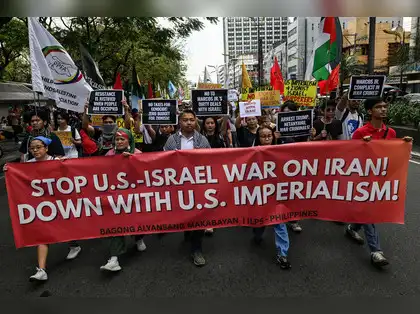
In the wake of Ayatollah Khamenei's assassination, India's silence has raised eyebrows globally. This reticence is influenced by a complex web of geopolitical factors. Firstly, India maintains a delicate balance in its relations with both Iran and the United States, making any overt stance potentially detrimental to its strategic interests. With Iran being a key energy supplier and the U.S. a critical ally, India treads carefully to avoid upsetting either nation.
Furthermore, India's focus on regional stability plays a significant role. The South Asian giant is deeply invested in maintaining peace in the Middle East, a region already fraught with instability. By refraining from immediate commentary, India seeks to prevent further escalation, which could impact its economic and security interests, particularly in the context of its large diaspora and trade dependencies in the region.
Lastly, domestic considerations cannot be overlooked. With an increasingly diverse population, including a significant Muslim community, India’s government is cautious about inflaming sectarian tensions at home. This internal dynamic, coupled with its aspirations for a larger role on the global stage, suggests a calculated approach to international incidents, prioritizing long-term diplomatic and economic goals over immediate reactions.
— Authored by Next24 Live




)




 English (US)