Iran's Supreme Leader Ayatollah Ali Khamenei, a pivotal figure since 1989, has died, marking the end of an era. His leadership, characterized by a rigid grip on Iran's political, military, and ideological landscape, has left an indelible mark on the nation. As the country grapples with his passing, the question of succession looms large, with potential candidates emerging from within the religious and military elite.
The succession process is expected to be complex, with the Assembly of Experts holding the constitutional authority to appoint Khamenei's successor. This transition could reshape Iran's domestic and foreign policies, depending on whether a hardliner or a more moderate figure steps into the role. The outcome will significantly influence Iran's approach to international negotiations and its stance on regional conflicts.
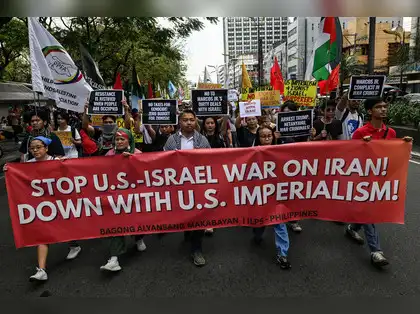
Regionally, Khamenei's death could alter the dynamics in the Middle East, affecting relations with neighboring countries and global powers. Iran's influence in countries like Syria, Iraq, and Lebanon may face challenges as new leadership seeks to consolidate power and redefine priorities. Observers worldwide are keenly watching how this pivotal moment will unfold, impacting not just Iran but the broader geopolitical landscape.
— Authored by Next24 Live








 English (US)