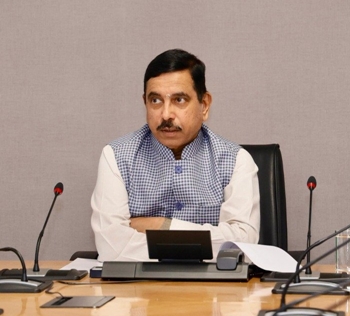
In recent weeks, India has witnessed a surge of protests following Prime Minister Narendra Modi's decision to retain the country's education minister amid growing public outcry. The controversy stems from allegations of misconduct and inefficiency, which critics argue undermine the credibility of the education system. Modi's steadfast refusal to dismiss the minister has sparked debates over accountability and governance in his administration.
This incident is not isolated but rather indicative of a broader pattern observed in Modi's leadership style. Historically, the Prime Minister has shown a tendency to shield key ministers from dismissal despite mounting pressures. Supporters argue this approach ensures stability and continuity, while detractors claim it signals a reluctance to address internal issues. The ongoing protests highlight the tension between maintaining a cohesive government and addressing public demands for accountability.
The controversy further underscores the challenges Modi faces in balancing political loyalty with public expectations. As protests continue across the nation, the situation has become a litmus test for Modi's administration, putting his governance philosophy under scrutiny. Whether the Prime Minister will reconsider his stance remains uncertain, but the outcome could have lasting implications for his leadership and the future of India's educational policies.
— Authored by Next24 Live









 English (US)