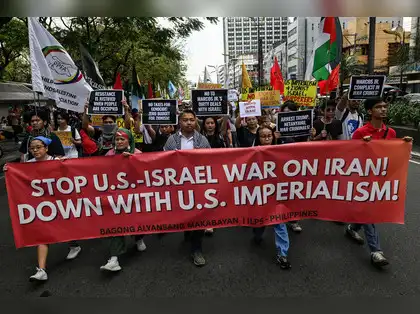
The ongoing Middle East conflict has cast a long shadow over the global sports calendar, leading to the postponement of high-profile events like the Finalissima and Formula 1 races. Organizers have been forced to make difficult decisions as the volatile situation threatens the safety of athletes, teams, and fans. This disruption underscores the vulnerability of international sports to geopolitical tensions, highlighting the intricate balance between global engagement and regional stability.
Athletes and teams find themselves stranded, unable to return home or reach their next destinations due to travel restrictions and safety concerns. This logistical nightmare has left many players in limbo, with their training and preparation schedules in disarray. The uncertainty has also taken a toll on their mental well-being, as they grapple with the challenges of being far from home amid a crisis that has no clear resolution in sight.
The ripple effect of these disruptions extends beyond the immediate participants, impacting fans, broadcasters, and sponsors worldwide. With millions invested in these events, stakeholders are now navigating the financial implications of postponed fixtures and altered schedules. As the world watches and waits for a resolution, the sports community remains hopeful for a swift return to normalcy, while acknowledging the complex interplay between sports and international affairs.
— Authored by Next24 Live





 English (US)