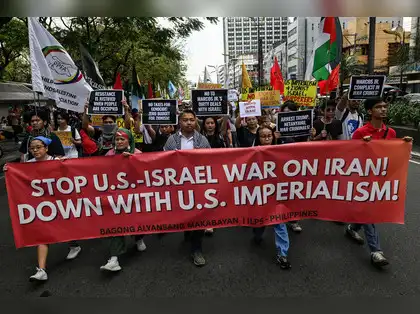
India faces a precarious situation as tensions in the Middle East threaten its energy security, with New Delhi particularly vulnerable to a potential conflict involving Iran. The Strait of Hormuz, a critical chokepoint for global oil shipments, could become inaccessible if hostilities escalate, posing significant challenges for countries heavily reliant on oil imports. India, which sources a substantial portion of its crude from this region, is now grappling with the prospects of supply disruptions and soaring prices.
Compounding the issue is India's limited access to alternative sources. Sanctions and geopolitical tensions have already restricted the country's ability to import Russian oil, leaving few viable options to offset potential deficits. This precarious position highlights India's urgent need to diversify its energy portfolio and bolster strategic reserves to cushion against such geopolitical shocks.
In response, policymakers in New Delhi are exploring diplomatic avenues and seeking to strengthen ties with other oil-producing nations to secure stable supply lines. Additionally, there is a renewed focus on accelerating domestic energy initiatives, including renewable sources, to mitigate future vulnerabilities. As the situation unfolds, India must navigate a complex geopolitical landscape to safeguard its energy interests and economic stability.
— Authored by Next24 Live









 English (US)