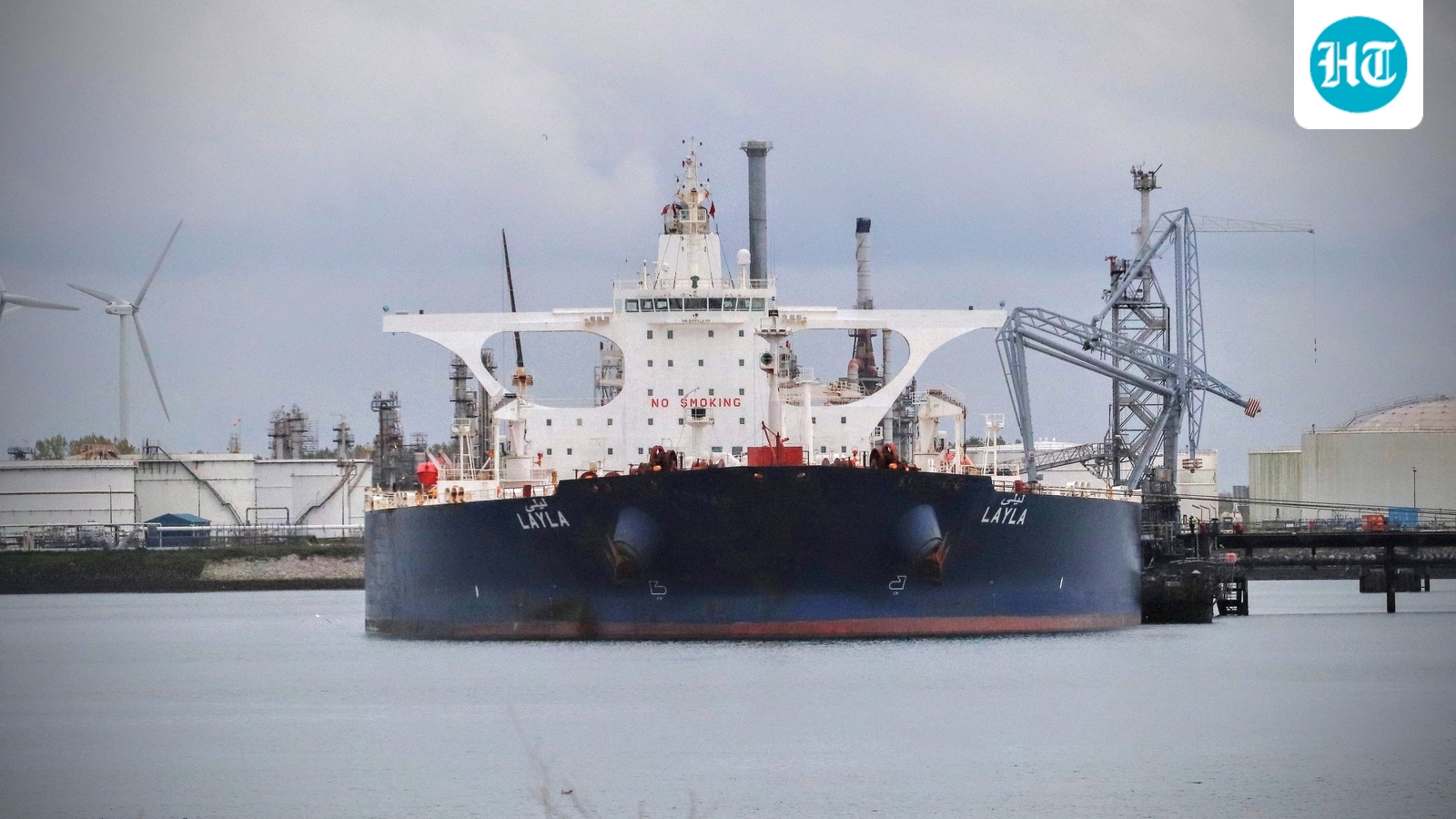
Ningbo Zhoushan Port, the world's largest by cargo tonnage, is a bustling hub that handles an impressive 150,000 ships annually. This vast network of docks and cranes is a testament to China's formidable trade capabilities. Yet, as tankers and bulk carriers line the horizon, a more complex picture of China's economic landscape emerges, highlighting imbalances that challenge its long-term growth.
While the port's activity underscores China's status as a global manufacturing powerhouse, it also reveals an economy heavily reliant on exports and infrastructure investment. The sheer volume of goods moving through Ningbo indicates robust demand for Chinese products abroad, but it also reflects domestic consumption that hasn't kept pace with production. This discrepancy points to a structural challenge, as China seeks to transition from an export-led to a more consumption-driven economy.
Efforts to address these imbalances are underway, with policies aimed at boosting domestic consumption and reducing overreliance on external markets. However, the scale of operations at Ningbo Zhoushan Port serves as a daily reminder of the complexities involved in reshaping an economy of China's magnitude. As the world watches closely, the port remains both a symbol of China's economic might and a harbinger of the challenges that lie ahead.
— Authored by Next24 Live










 English (US)