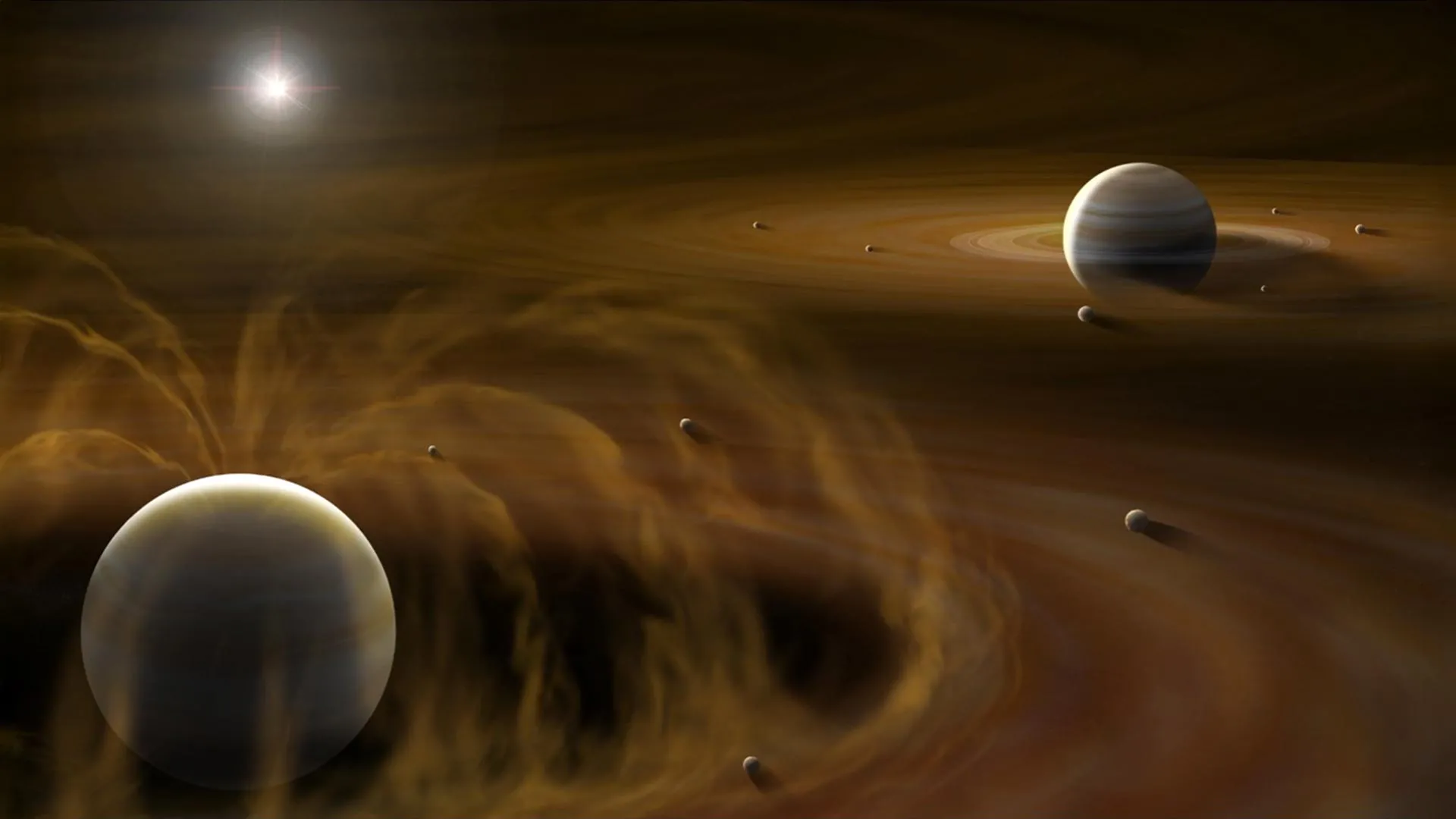
Astronomers have achieved a groundbreaking feat by constructing the largest and most intricate 3D map of the early universe. This remarkable map captures a glowing signal known as the Lyman-alpha forest, which provides a glimpse into the universe's infancy. The Lyman-alpha forest is a series of absorption lines in the spectra of distant quasars, allowing scientists to trace the distribution of matter across the cosmos. This new map offers an unprecedented view, shedding light on how galaxies and cosmic structures formed billions of years ago.
The map's creation involved meticulous observations using cutting-edge telescopes and sophisticated data analysis techniques. By examining the light from over 40,000 quasars, astronomers were able to chart vast regions of space previously obscured. This has unveiled hidden galaxies and their distribution, which were not visible with traditional observation methods. The map spans a colossal volume of space, enabling researchers to explore the universe's expansion and the role of dark matter in shaping cosmic structures.
This monumental achievement not only enriches our understanding of the universe's early days but also sets the stage for future explorations. By revealing the intricate web of galaxies and cosmic filaments, the map provides crucial insights into the fundamental processes that have governed the universe's evolution. As astronomers continue to refine their techniques, this 3D map will serve as a vital tool for unraveling the mysteries of the cosmos and guiding the next generation of astronomical discoveries.
— Authored by Next24 Live








 English (US)